This week a report on the state of free speech in Britain was carried across the Atlantic and passed around in Washington. Set aside whether the alarm is fair. The stranger thing sits underneath it: Britain has no law that grants you free speech in the first place. It never did. What we have, we got by accident - and a thing handed to you by accident can be lost without anyone ever deciding to take it.
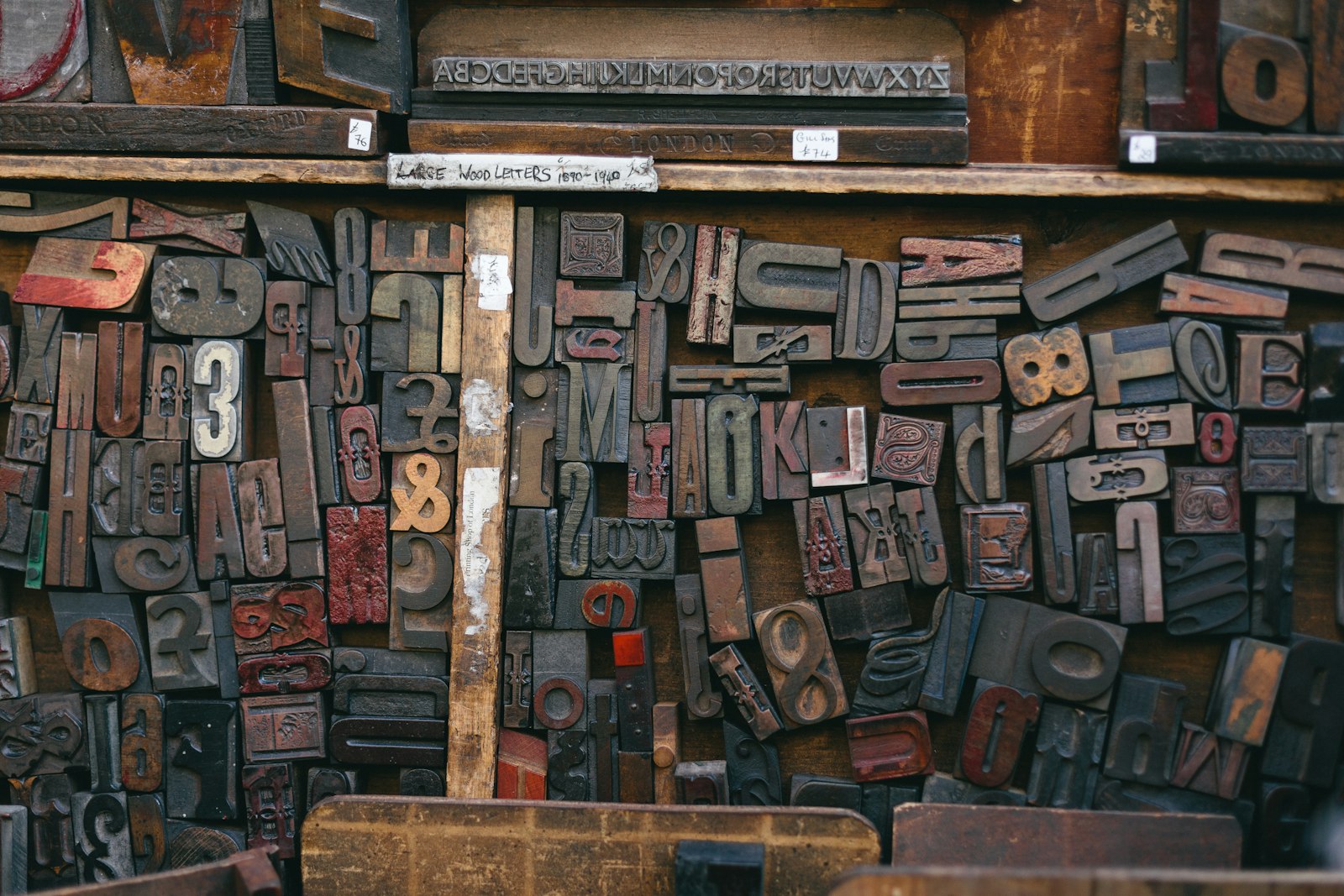
For the better part of a century, you couldn't print a word in England without permission. Every book, every pamphlet, went to a government licenser first and came back stamped. Print without the stamp and the messengers came for your press. This wasn't some dark exception. It was simply how the country worked: the state read your argument before the public was allowed to.
In 1644 a poet named John Milton published a furious case against the whole system. Licensing, he argued, wasn't safety. It was the state deciding what you were allowed to think before you had thought it. It's one of the great defences of open argument ever written in English. And it failed. Parliament ignored him. The licenser kept his stamp.
The censorship didn't end because Milton won, or because anyone was persuaded, or because a great law was passed declaring men free. It ended in 1695, when a committee reviewing which expiring laws were worth reviving looked at the licensing rule and simply didn't put it back. No vote for liberty. No ringing declaration. A form wasn't renewed, and the oldest machinery of censorship in the country fell quiet because nobody could be bothered to wind it again. That's how the freest press in Europe was born: not granted, just no longer prevented.
They say every country limits speech somehow, and ours is no stranger than the rest. True. But that misses where the danger actually lies.
Because the point was never the limits. It's that our freedom to speak rests on nothing you can hold in your hand. America wrote its version into a constitution, so that taking it away means openly amending the founding document, in daylight, against resistance. Ours rests on habit, a thing everyone assumes is there because it always has been. And a freedom that lives only in habit can die the way it was born: not repealed, not debated, just quietly not renewed. A rule added here, a caution there, a form nobody files. You won't see it happen. There's no midnight when the light goes off.
We didn't choose free speech. We inherited it by luck, from men too busy to keep censoring us. The luck has held for centuries. Luck isn't a plan.
An opinion of the house.
What do you think?
Sign in - it's free to add your take, reply, and vote on others.
No takes yet. Be the first to make the argument.
The record stays free. If it was worth your time, buy us a coffee - or become a member for the commentary and the archive.