Faced yesterday with the one thing the public can actually see - the boats still crossing the Channel - the government reached for the one thing it can always produce at will: a document.
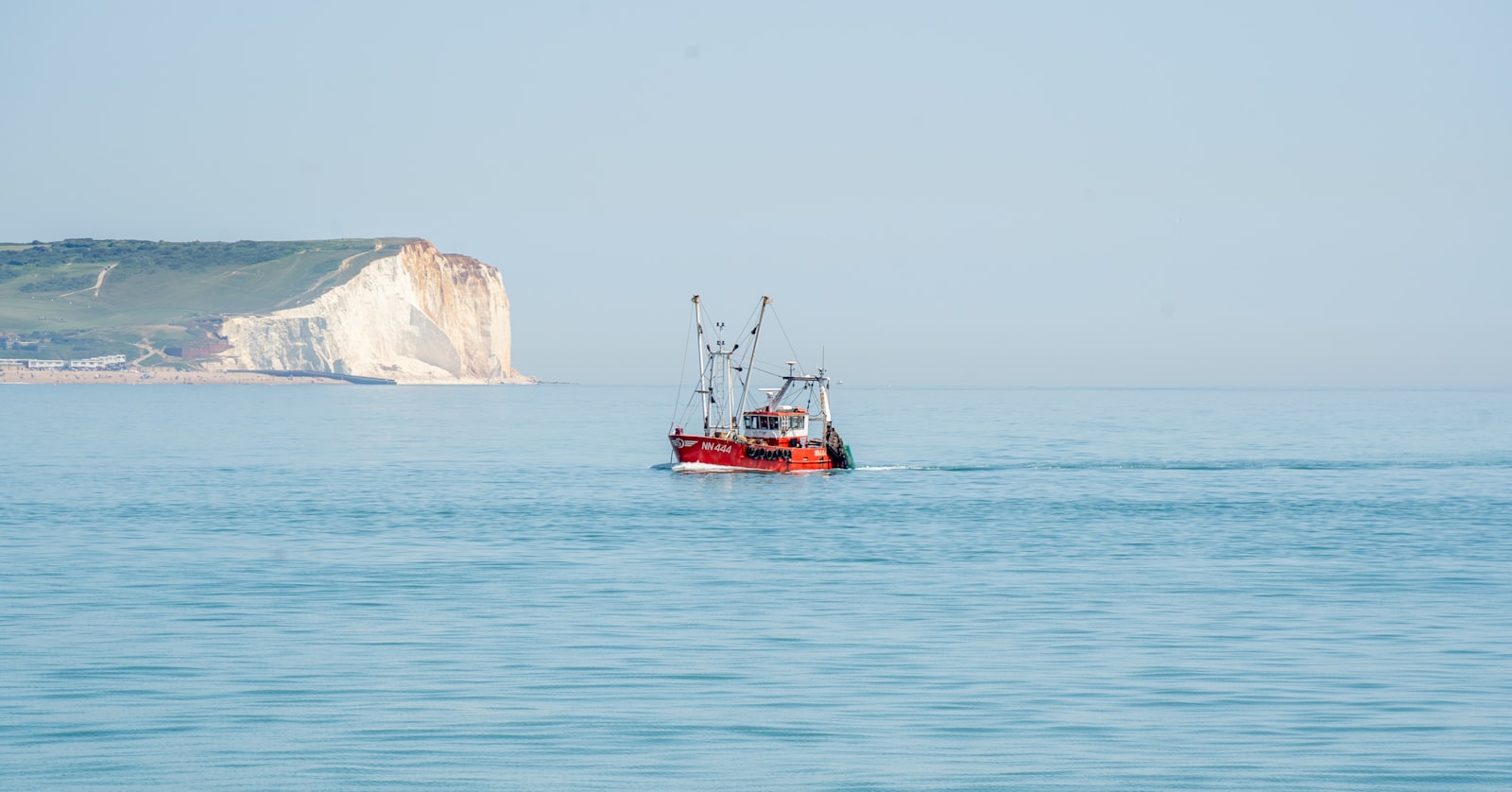
The Home Office had translated guidance for asylum seekers on how to behave towards women into several languages, and spent the day defending it. The Prime Minister, Andy Burnham, backed it; ministers were sent out to explain it; critics called it an admission that the policy underneath has failed. Whatever it is, it isn't control. It's a leaflet, reached for because the thing a leaflet can't fix went unfixed. Across the water, French police were filmed stopping a single dinghy while others pushed off from the beaches, and the Justice Secretary, Shabana Mahmood, conceded the Channel was trickier than the pushbacks abroad that everyone keeps pointing to, even as she spoke of spreading new arrivals more fairly across the country.
That set the shape of the whole day. A first national day for the victims of terrorism was announced. A slice of his own salary was pledged by the Prime Minister to charities for the homeless. Tougher fines were promised for the gangs behind large-scale illegal dumping. Each is defensible on its own, and each is the same kind of thing: an announcement a government can make on a quiet morning without moving anything it doesn't already hold. Even the question of who pays to guard a returning duke and duchess was waved away as a private matter. The day was full of the state performing motion.
What the government didn't touch were the levers it actually controls. The prison estate is reported to be at the very edge of its capacity, a problem no leaflet or memorial day reaches. And with a Budget coming, a former Bank of England economist urged the Prime Minister to rule out tax rises, while others read its own past votes as pointing the other way. On the questions where the state has real power - the prisons, the Budget - there was warm language and no decision.
The contrast was Reform, which spent the day proposing. It offered tax rebates to firms that take on apprentices, said it would scrap what it calls Mickey Mouse degrees, and floated ending student loans for foreign students, while its new economic adviser argued for winding down the pensions triple lock. Some of it is contestable and some of it may not survive contact with a spreadsheet, and the objections arrived within the hour. But it was the shape the day itself lacked: choices, with named costs and named losers.
That Reform couldn't enjoy the contrast is its oldest habit. The party spent part of the day on itself, suspending an activist over criticism of its leader, defending that suspension in public, and fielding another call for its factions to stop fighting. The aligned right keeps naming the questions the government walks around, and keeps handing itself reasons to be ignored.
Underneath all of it sat a reminder of how the machine behind the announcements really runs. Sue Gray, once at the centre of the last government, described her time in Downing Street as unbearable, a rare on-the-record account from someone who was in the room. It's worth holding next to a day of confident announcements: the same building, a short time ago, barely working.
A government only weeks old is entitled to find its feet. But a day like yesterday shows the reflex forming early: when the hard lever is heavy, reach for the light one. Documents, days and donations can be produced to order. The border, the prisons and the Budget can't. A country can tell the difference, and in the end it always does.
What do you think?
Sign in - it's free to add your take, reply, and vote on others.
No takes yet. Be the first to make the argument.
The record stays free. If it was worth your time, buy us a coffee - or become a member for the commentary and the archive.