Yesterday a government only weeks old learned it can move at speed - but only once the thing it should have seen coming is already alight.
The clearest sign of it came as a noise. In the afternoon millions of phones in England and Wales screamed at once, the government's emergency alert warning of a very high risk of wildfires as the driest of summers turned the country to kindling. By evening the Prime Minister, Andy Burnham, was calling Britain a tinderbox, the sale of disposable barbecues had been banned outright as a public danger, and a new minister had been created to take charge of fire. Each move was sensible on its own. Together they described a state that reaches for the loudest levers it owns the moment it's frightened, and not before.
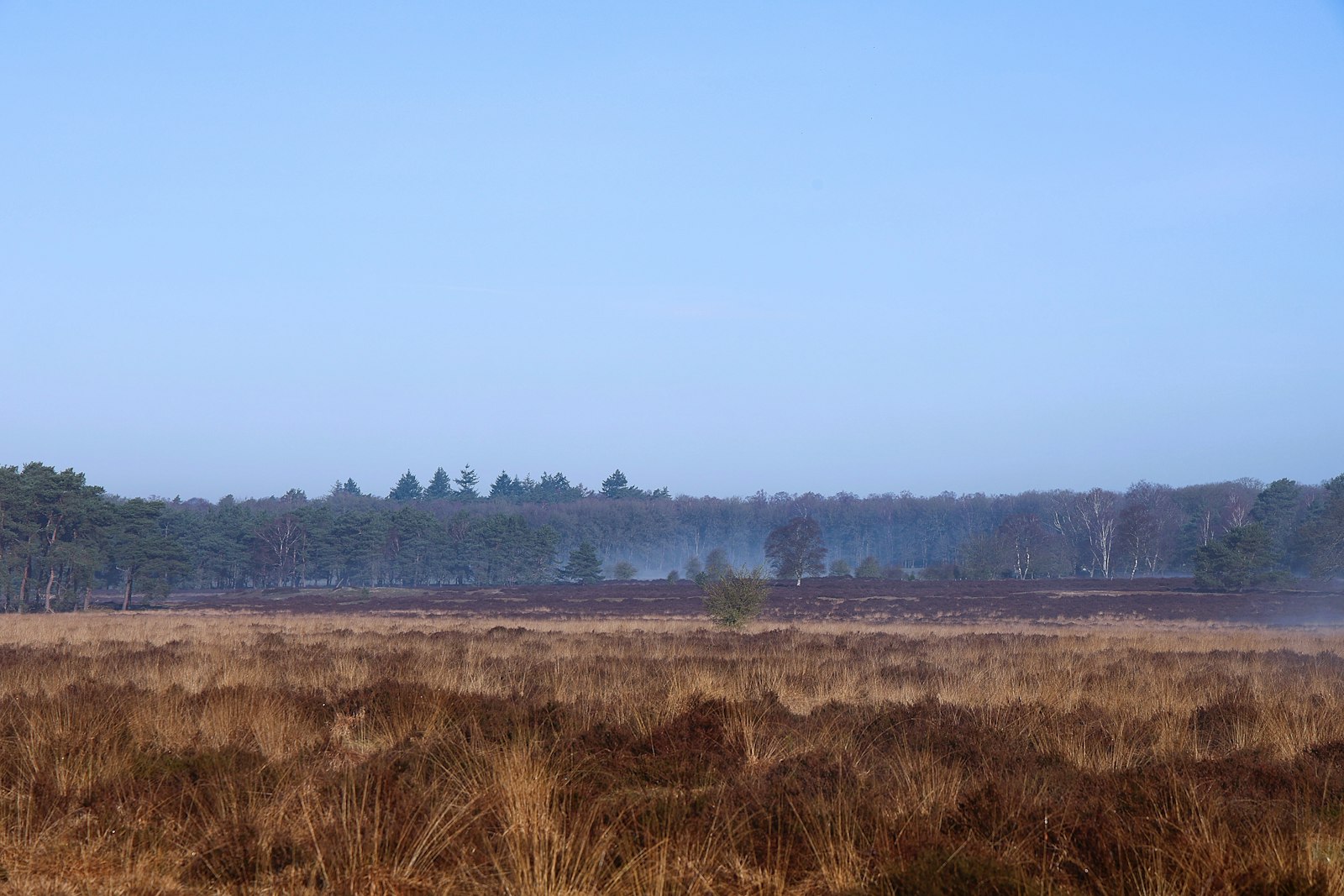
The drought didn't arrive yesterday. It built through the hottest, driest weeks of the year while farmers warned, in the papers, that they were at breaking point - and the answer, an emergency package of public money for the land worst hit, came only once the fields were failing and the fires had started. Green groups spent the day urging the Prime Minister to break his silence on the climate underneath it all. Help offered at the moment of crisis is still help. It's also the most expensive kind, and the surest sign that the slow warnings went unread.
The same reflex ran through the politics. In Essex the Clacton by-election was called for Nigel Farage, who took the seat back in a contest the main parties had chosen not to fight, against a field that included a candidate dressed as a bin. The establishment's answer to a politics it dislikes had been to stay off the field and then call the win hollow - which isn't an answer, only a hope that the problem tires of itself.
On the border the government spent another day defending a plan to place new migrant accommodation at army bases, with local leaders complaining, through the papers, that they had been bypassed to push it through quickly. Here too the pattern held: a problem left to grow for years, then met with a rushed fix that treats the nearest available site as if it were a policy. Speed isn't control, and a government that only finds urgency once the crisis is visible will always pay the emergency price.
Elsewhere the day filled in its edges. Ministers held firm on the coming ban on new petrol and diesel cars despite a loud industry backlash, while letting it be known that fuel duty would most likely stay frozen in the autumn - a promise to press on with the change and to soften its cost in the same breath. A published analysis reported that the government's cuts to overseas aid had turned out far deeper than first admitted. And beyond the water, Donald Trump floated turning the Strait of Hormuz into American territory after the war with Iran, a reminder that the loudest reactions aren't a British invention.
None of yesterday lacked energy. The alert blared, the ban landed, the money was found, the minister was appointed, the winner was declared. What was missing, across fire and drought and border alike, was the quieter work that would have spared the country all of it: the reservoir built before the drought, the policy argued before the crossing, the candidate who turned up before the seat was gone. A country can be governed by warning or by foresight. Yesterday it chose the warning, because the warning is the thing everyone can hear.
An opinion of the house.
What do you think?
Sign in - it's free to add your take, reply, and vote on others.
No takes yet. Be the first to make the argument.
The record stays free. If it was worth your time, buy us a coffee - or become a member for the commentary and the archive.