A reported £4.7bn hole and train-driver pay reported at £70k belong in the same argument, even when they appear in separate headlines. One is the pressure on public finances. The other is what pressure looks like when a service the country relies on can stop moving.
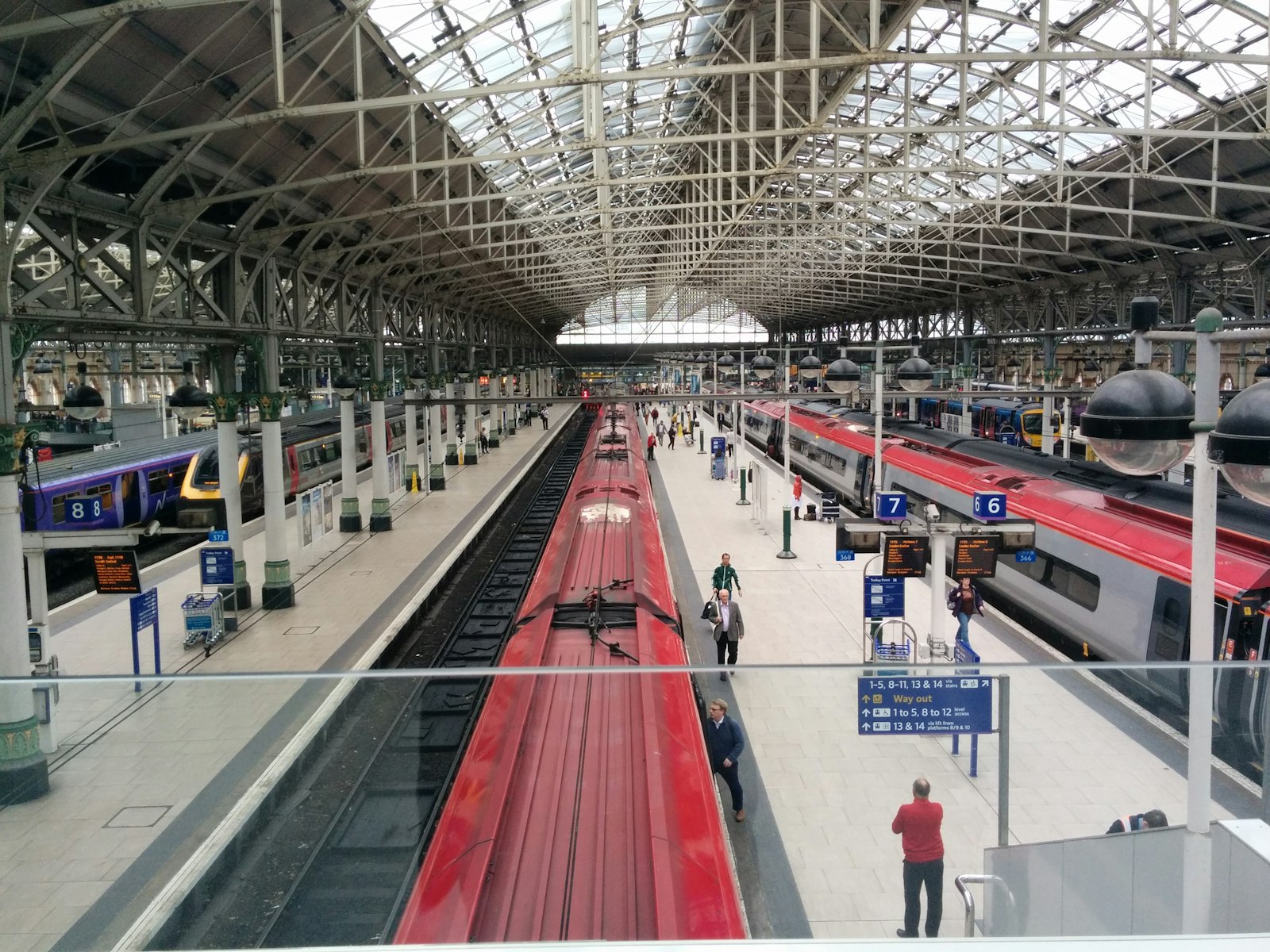
There's a serious case for settling a rail dispute. A strike on the London to Manchester line can disrupt people travelling to work, seeing family or trying to keep an appointment they can't move. Anyone who has watched a cancellation spread across a departure board knows that the cost isn't confined to the railway. It lands on passengers who are late, employers trying to cover shifts and towns that depend on people being able to get there. Governments are elected to keep essential systems working. If a pay agreement avoids a stoppage which would otherwise happen, it may be better than a long public quarrel ending with much the same agreement after everyone has paid for the theatre.
Fair enough. Yet it's only the beginning of the question. A settlement teaches every party something about the next dispute. Where disruption can't be tolerated, the group able to withdraw a service at the most inconvenient moment holds considerable leverage. This is no criticism of train drivers. Workers are entitled to bargain for their pay and conditions. It reflects the structure of bargaining where passengers have limited alternatives and the state has a strong interest in keeping the line open.
The public argument becomes cloudy because the railway is built to blur responsibility. Operators may be commercial in form, while fares, contracts and the political consequences of disruption all lead back towards government. Ministers can point to inherited arrangements. Companies can point to costs. Unions can point to the pay and conditions on offer. Each statement may contain some truth. The passenger still gets the replacement bus, or discovers there's no practical way to make the journey at all.
For that reason, a headline about a £70k pay rise shouldn't be read as an invitation to resent the person in the cab. Train driving carries responsibility, and pay should reflect the work people actually do. Nor is every higher wage an indulgence. A country that wants skilled people to do difficult jobs must be willing to pay for skill. But passengers and taxpayers are citizens too. Many can't work from home, choose another route or pass the cost of a missed shift on to someone else. Their interest isn't less real because it's less organised.
The harder question is what the country receives for the money. If higher pay secures a more dependable service, fewer disputes and a railway people can use with confidence, ministers can make that case. They should make it plainly. If the money must come from higher taxes, more borrowing, higher fares or less spending elsewhere, that too is part of the case. A government trying to plug a reported £4.7bn hole can't honestly treat every large commitment as a separate event with no connection to the last one. The bill doesn't disappear because the decision was made under pressure.
There's a wider temptation here. Britain often wants good services, restrained fares, higher pay, no disruption and a lighter tax burden. Each wish is understandable. Taken together, they require choices about productivity, staffing, investment and the price paid by the public. Those choices become harder when institutions are arranged so that nobody is clearly accountable for the whole result. The point isn't to demand permanent conflict with railway workers. The public should be able to see who made the bargain, what was gained and who will fund it.
Prime Minister Andy Burnham's government may judge that avoiding disruption on the London to Manchester route is worth the price. That can be a defensible judgement. The weaker habit is to present the price as an unfortunate surprise once the deal has been made. Rail disputes don't begin on the day a strike is threatened. They begin much earlier, in a system that has made it difficult to say plainly who decides, who benefits and who eventually pays.
What do you think?
Sign in - it's free to add your take, reply, and vote on others.
No takes yet. Be the first to make the argument.
The record stays free. If it was worth your time, buy us a coffee - or become a member for the commentary and the archive.