The government has begun naming the first places where living beside a new pylon will come with money off the bill: up to £250 a year, for ten years. Most of the coverage has filed it under bribery. It's worth asking how paying somebody for something they lose came to sound like corruption, because there was a time in this country when it was simply how anything got built.
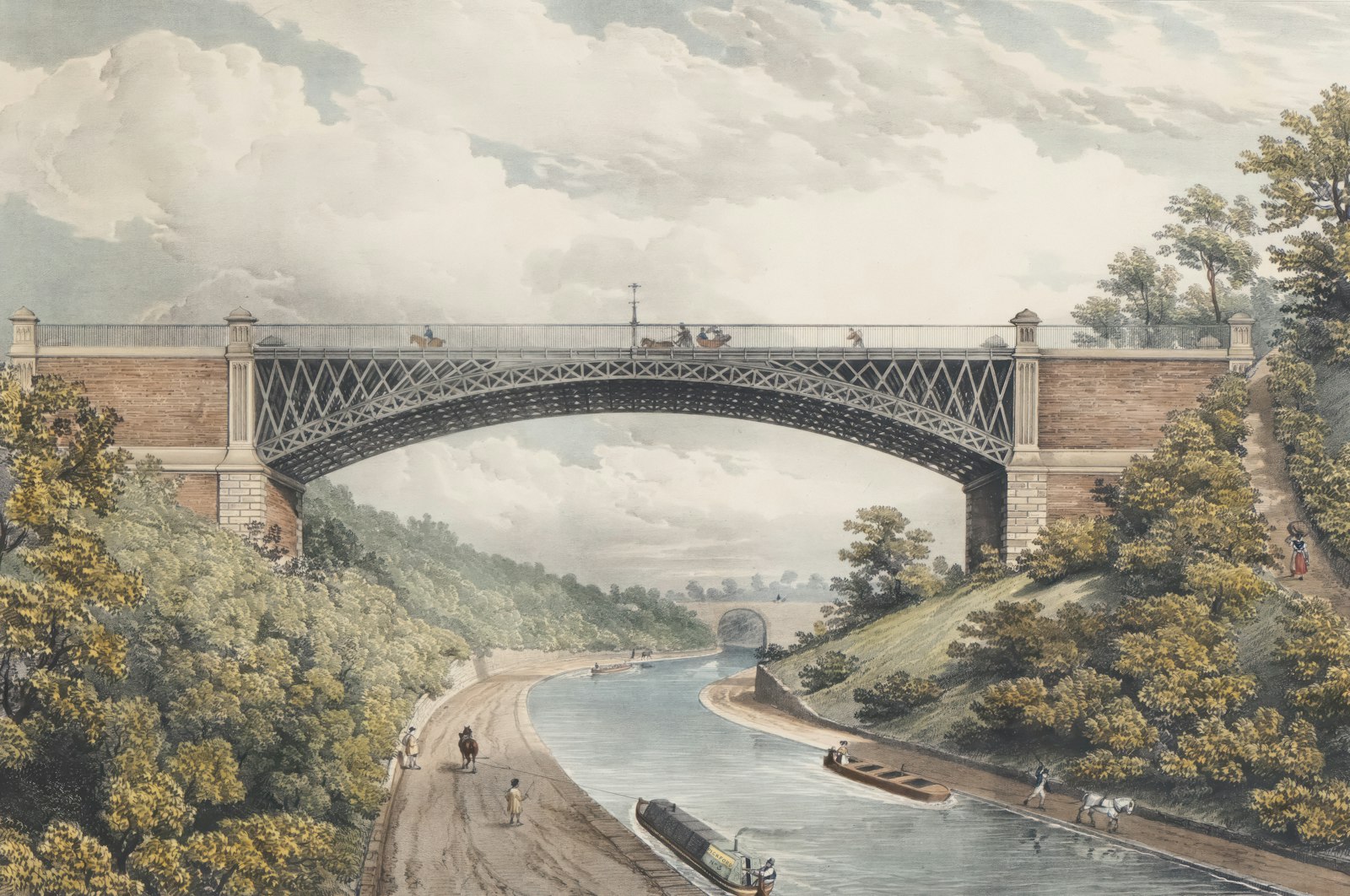
The Victorians built the railways by purchase. A company that wanted a line had to go to Parliament to gain the right to acquire land for the line, and then buy it from whoever owned it. It was slow, it was expensive, and it made a good many landowners rich. It also worked. In 1846 alone, at the height of the mania, 263 Acts went through for new railway companies, and the schemes authorised in those few years put more than six thousand miles of track on the ground. The country was covered in a generation, by argument and cheque.
Then Parliament changed what building is. The Town and Country Planning Act 1947 settled that ownership alone no longer conferred the right to develop the land. Development stopped being something you bought. It became something you were given.
That one change moved the whole argument. When a scheme has to buy, everybody it touches is a party to the deal, and every objection has a number attached to it. When a scheme has to be permitted, the only people holding a lever are the ones who can object - and an objection has no number attached to it at all. It costs nothing to make and earns nothing to drop. So the neighbour ended up with the right to say no, and no price at which he might say yes.
Watch what falls out of that. The cost of a pylon is local, visible and permanent. The benefit is national, invisible, and shared out among millions of strangers who will never know the line is there. Where land is bought, those two things meet at a price. Where permission is granted, they never meet at all: one side has everything to lose and the other has a leaflet, a consultation, and an evening in a village hall. Nobody in that room is being unreasonable. They are doing the only thing the arrangement leaves them able to do.
They say paying people to accept a pylon is a bribe that buys off a real objection. But an objection that money settles was a price all along, and where it's genuinely a principle - a graveyard, a view somebody would turn down a fortune to keep - no cheque will move it, which is precisely how you find out which of the two you were dealing with.
That leaves the size of the offer, rather than the idea of it. £250 a year, for ten years, against a structure standing in your window for the rest of your life. It's a sum small enough to be called an insult by the people who receive it and a bribe by the people who watch them receive it.
The Victorians didn't think they were buying anyone off. They thought they were buying land, which is what you do when you want something that belongs to somebody else. We swapped the cheque for a form, and free permission turned out to be the most expensive thing this country ever bought.
An opinion of the house.
What do you think?
Sign in - it's free to add your take, reply, and vote on others.
No takes yet. Be the first to make the argument.
The record stays free. If it was worth your time, buy us a coffee - or become a member for the commentary and the archive.