The boats crossing the Channel keep getting bigger. Reporting yesterday put a record number of people on a single inflatable. Whenever the crossing gets more dangerous, the load goes up rather than down, and that's the tell: the person deciding how many people go on the boat is never one of the people on it.
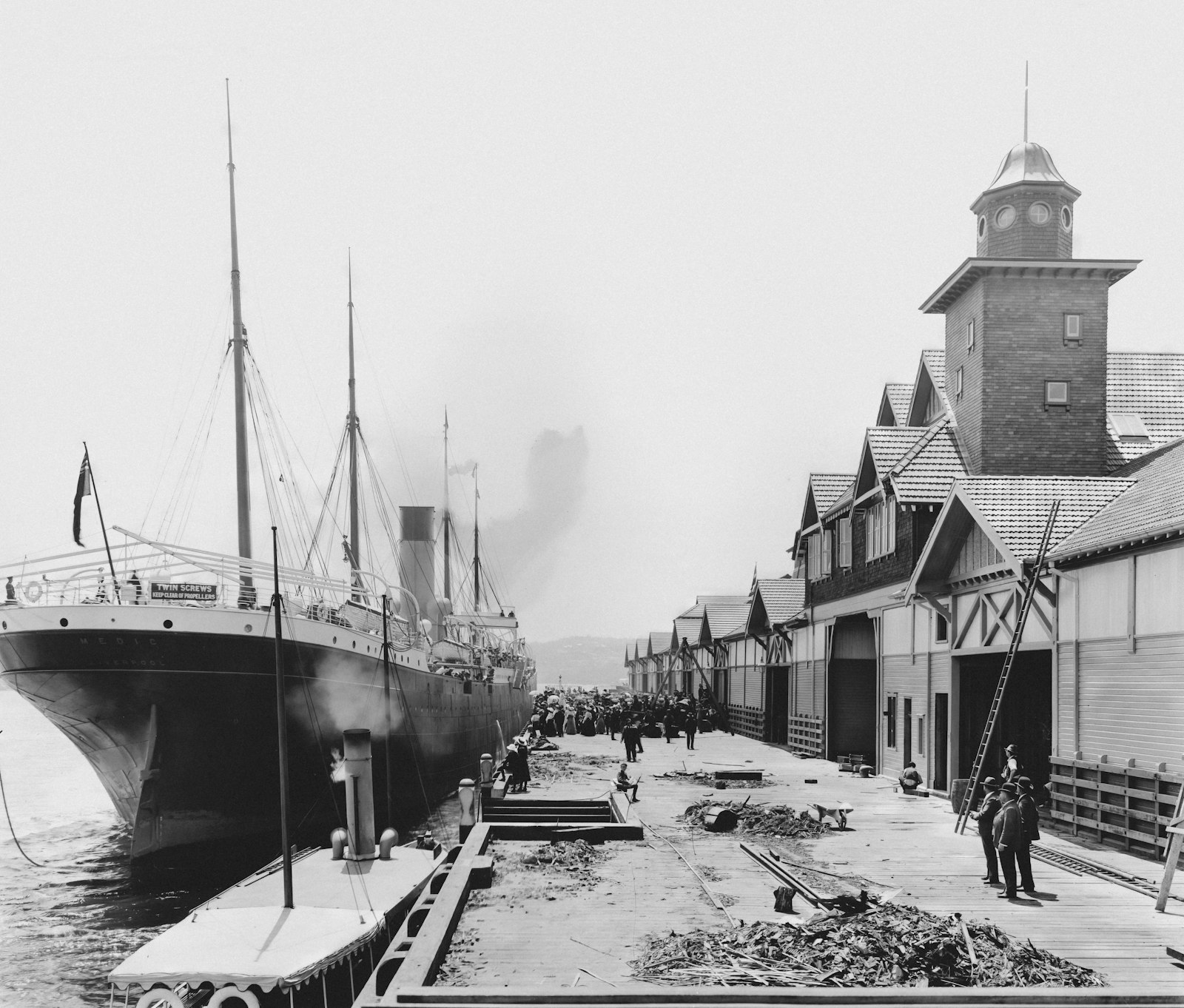
Britain has met this machine before, and it beat it.
In the eighteen-seventies British merchant ships were going down with their crews, and the reason wasn't the weather. Owners were sending out coffin ships - unseaworthy and overloaded vessels, often heavily insured, in which the men aboard carried a risk the owner had already sold. If the ship came home, there was money in the cargo. If it went down, there was money in the policy. The men on deck were the only people in the arrangement with anything to lose, and they had no say at all in how much went aboard.
Parliament was slow about it, partly because Parliament was full of shipowners. One member endeavoured in vain to pass a bill dealing with the subject of a safe load line on ships, and the government dropped it. Public anger forced the issue back, and in 1876 a Merchant Shipping Act finally put a mark on the hull: the mark that indicates the safe limit to which a ship may be loaded, with inspectors who could stop a ship leaving.
Notice what the fix wasn't. It wasn't a plea for better conduct at sea, and it wasn't more rescue boats. It was a line painted where anybody standing on the quay could see it, and a man with the power to say no before the ship sailed. The load was decided on land, so the rule was put on land.
Now the same waters. A ship that's in a position to provide assistance to persons in distress at sea must do so. That's the law, it's old, and it's right. They say a duty to rescue can't be traded away, and that a drowning person isn't a bargaining chip. Quite so. But look at what that duty is being asked to carry alone. It's the only rule in the whole business that reaches anybody, and it reaches the one party with no say in the load.
The same body of law contains the other half, and nobody quotes it. A duty to rescue arises where a person creates a hazardous situation which endangers someone. Everywhere else, the maker of the danger owes the rescue. In the Channel the maker of the danger stands on a beach in France, pushes off, and owes nothing to anyone. The cost travels the other way: onto the boat, then onto the lifeboat, then onto us.
Every rule we have arrives after the boat has sailed, and lands on the people who didn't load it.
Britain didn't make its ships safe by getting better at pulling sailors out of the water. It made them safe by drawing a line, in paint, on the outside of the hull, where the owner couldn't pretend not to have seen it.
The boats keep getting bigger because the only rule that bites still bites at sea, and the man who fills them has never once been aboard.
An opinion of the house.
What do you think?
Sign in - it's free to add your take, reply, and vote on others.
No takes yet. Be the first to make the argument.
The record stays free. If it was worth your time, buy us a coffee - or become a member for the commentary and the archive.