Why should someone living beside a new pylon be expected to accept a local cost for a benefit shared across the country? Paying them isn't necessarily a bribe. It can be recognition that a national project imposes an unequal burden.
The proposed offer of up to £250 a year off bills for ten years makes that question practical. Whether the sum is enough is a separate issue from whether compensation is legitimate at all.
Who benefits and who loses?
A transmission line can help millions of people receive reliable electricity. Most of them will never see it. The people closest to it may see it every day, while receiving little that distinguishes their benefit from everyone else's.
A consultation can establish those concerns. It doesn't automatically give neighbours a reason to accept the outcome. Compensation can make the distribution of costs and benefits less unequal, even where it can't remove every objection.
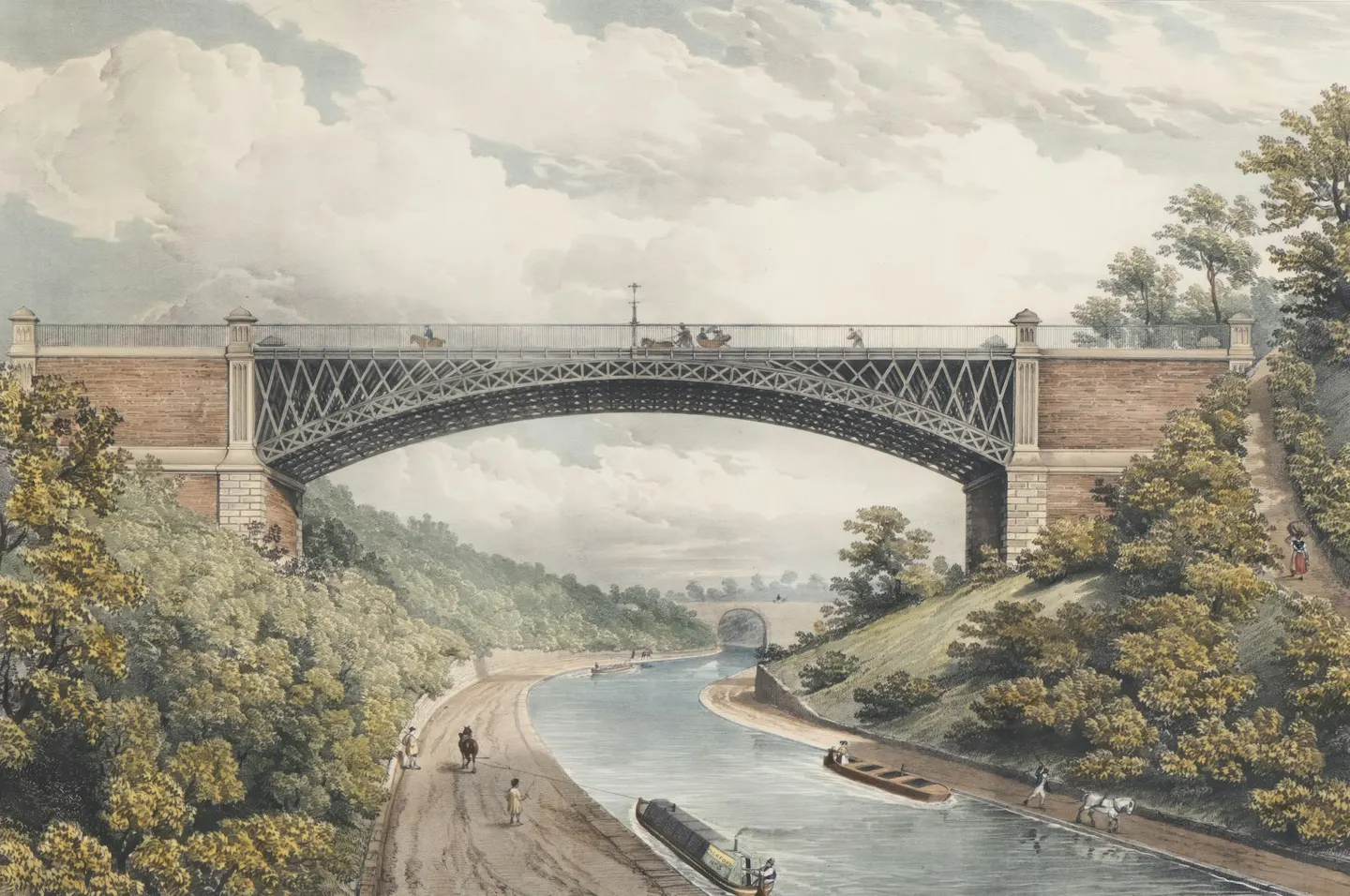
Infrastructure has never been built simply by persuading everyone to admire it. Railway development involved parliamentary powers, compulsory acquisition and payments to landowners. That wasn't a perfectly fair system, and ownership of land isn't the same as every neighbour's interest in a place. It still shows that paying for the consequences of development is hardly a new corruption of public decision-making.
Permission isn't the same as consent
Modern planning serves purposes that a purchase alone can't fulfil. Environmental harm, public services and effects on people who don't own the land all require consideration. We shouldn't pretend a cheque can answer every concern.
Some objections can reasonably be addressed through money, better design or infrastructure. Others concern losses people believe shouldn't be accepted at any price. A decision still has to be made about the wider public interest.
The useful question is how to make that decision fairly. A small payment can feel insulting without making compensation wrong in principle. If we need communities to accept projects built for everyone's benefit, we should be willing to discuss what those communities receive in return.