The person who decides how many people to put in a dangerous boat may be safely on land when it leaves. That separation between decision and risk is one reason I think an argument focused only on what happens at sea is incomplete.
Rescue remains necessary. People in danger don't become less deserving of help because someone else has behaved recklessly. The question is how to prevent the danger as well as respond to it.
Where the dangerous decision is made
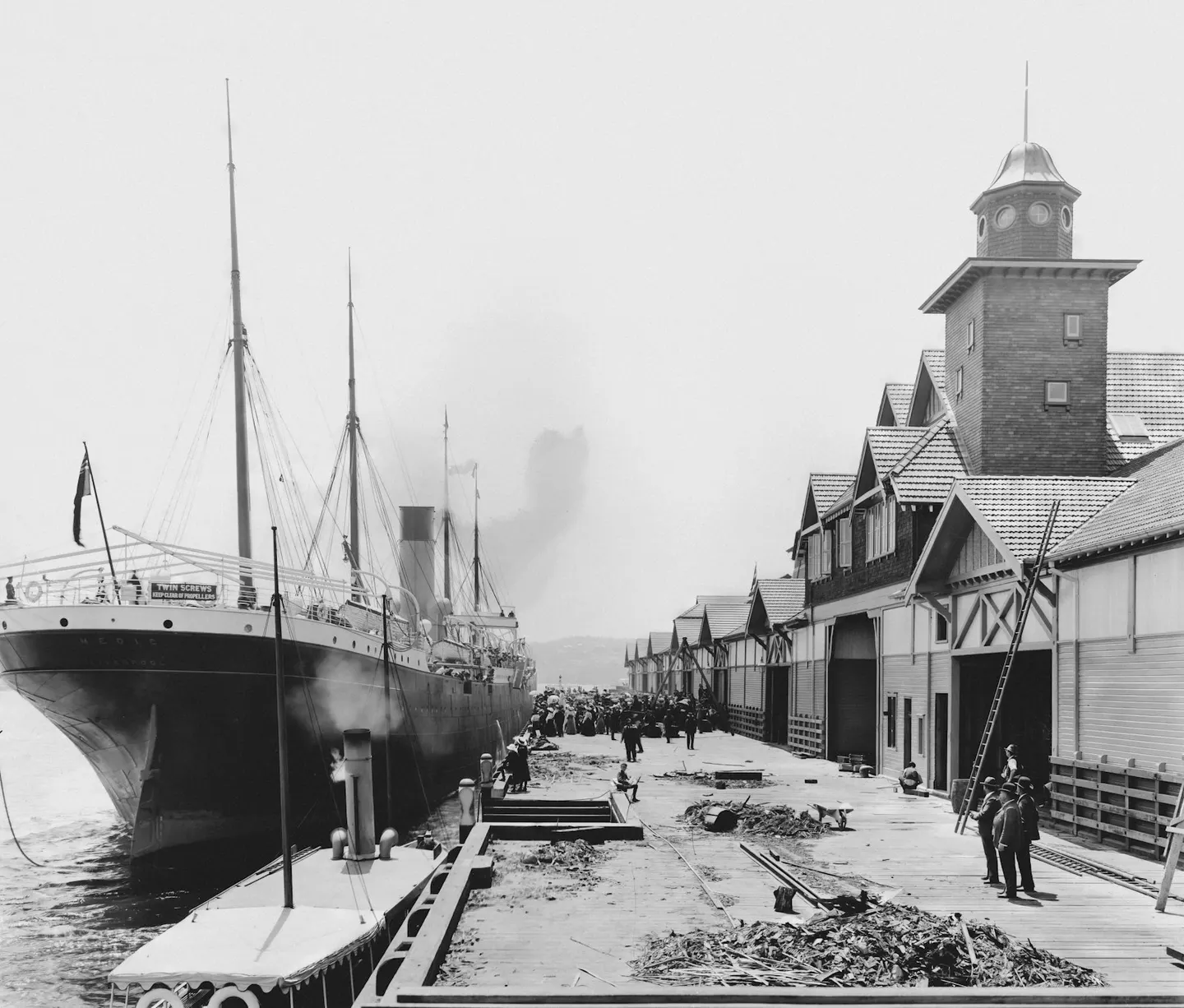
Victorian campaigns against unsafe merchant shipping offer a useful comparison. Overloading and unseaworthy vessels put crews at risk while decisions about the ship and its cargo were made by others. Samuel Plimsoll's campaign helped secure measures intended to prevent unsafe departures, including requirements concerning load lines.
The system developed over time. A mark on a hull wasn't, by itself, a complete solution. Inspection and enforcement mattered, as did rules about who could determine a safe load.
The principle is worth retaining: preventing an unsafe voyage requires attention to the decisions made before departure.
The limits of the comparison
Channel smuggling isn't a regulated merchant industry. Organisers are already acting outside the law, enforcement involves more than one country, and authorities don't have the same routine access to vessels and operators. Painting a line on an inflatable wouldn't solve those problems.
It would also be wrong to claim that no rules target smugglers or that rescuers are the only people the law reaches. The issue is whether prevention and enforcement are effective, rather than whether they exist at all.
A serious policy has to examine the organisation of the journey, the incentives for overloading and the practical opportunities to stop the dangerous activity before people are at sea. It needs cooperation that can actually reach those making the decisions.
We shouldn't ask the duty to rescue to serve as the whole policy. Nor should frustration with the failure to prevent crossings become a reason to abandon people already in danger. The aim should be to make fewer rescues necessary by stopping the people who create the need for them.